
Hello world!
Welcome to WordPress. This is your first post. Edit or delete it, then start writing!
Read More →
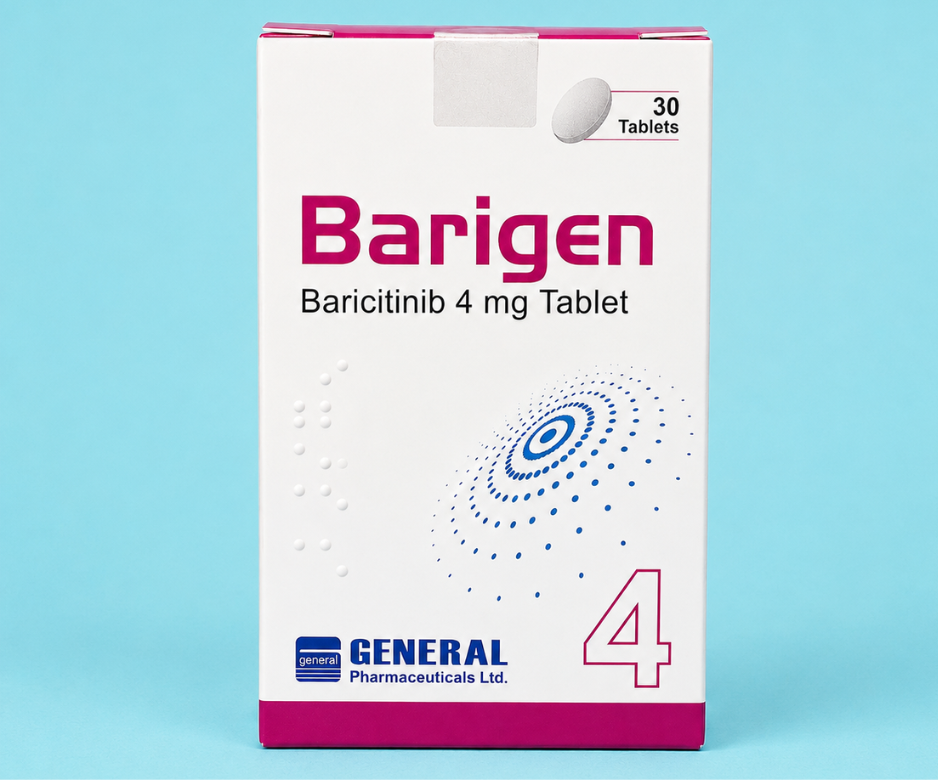
Barigen contains baricitinib, a prescription medicine belonging to a group of medicines called Janus kinase (JAK) inhibitors. Baricitinib works by reducing the activity of certain immune-system signals involved in inflammation. In simple terms, it helps calm an overactive immune response.
Baricitinib may be prescribed for certain inflammatory and autoimmune conditions, including:
Baricitinib selectively and reversibly inhibits JAK1 and JAK2 enzymes. These enzymes help transmit signals from inflammatory cytokines. By reducing JAK1/JAK2 signaling, baricitinib can decrease inflammation and excessive immune activity.
Baricitinib is an oral tablet and is generally taken once daily, with or without food. The appropriate strength and dose depend on the condition being treated, kidney function, other medicines, and the individual patient’s circumstances. For rheumatoid arthritis, a commonly recommended adult dose is 2 mg once daily, but the prescribing physician should determine the dose.
Do not change the dose or stop Barigen without medical advice.
Because Baricitinib suppresses part of the immune system, it can increase the risk of serious infections, including tuberculosis. It has also been associated with risks such as certain cancers, blood clots, and major cardiovascular events. These risks are particularly important in some higher-risk patients.
Doctors may therefore assess factors such as:
Live vaccines should generally be avoided during treatment unless specifically advised by a healthcare professional.
Possible side effects can include upper-respiratory infections, nausea, headache, acne, and changes in laboratory blood-test results. More serious symptoms—such as persistent fever, severe infection symptoms, chest pain, shortness of breath, or sudden swelling/pain in a limb—require prompt medical attention.
Barigen is a prescription immunosuppressive medicine and should be used only under the supervision of a qualified physician. It is not appropriate for everyone, and the correct dose depends on the patient’s diagnosis and medical history.
This information is for general education and does not replace the prescribing information or advice from a doctor or pharmacist.
Barigen contains baricitinib, a prescription medicine that helps calm an overactive immune system. It should be used only under the direction of a qualified healthcare professional.
Baricitinib may be prescribed for certain inflammatory or immune-related conditions. Its appropriate use depends on the patient's condition and medical history.
Take Barigen exactly as prescribed by your doctor. Do not change the dose or stop treatment without medical advice.
No. Barigen contains baricitinib and is a prescription medicine. It should be taken only after consultation with a qualified healthcare professional.
Possible side effects can include infections, nausea, headache, acne, or changes in certain blood tests. Baricitinib can also cause serious side effects, so discuss potential risks with your doctor.
Yes. Baricitinib can interact with certain medicines. Tell your doctor about all prescription medicines, over-the-counter medicines, and supplements you are taking.
Regular medical follow-up may be required during treatment with baricitinib, including blood tests when recommended by your healthcare professional.